

How Early-Year Hiring Pressure Exposes Weak Posting Controls
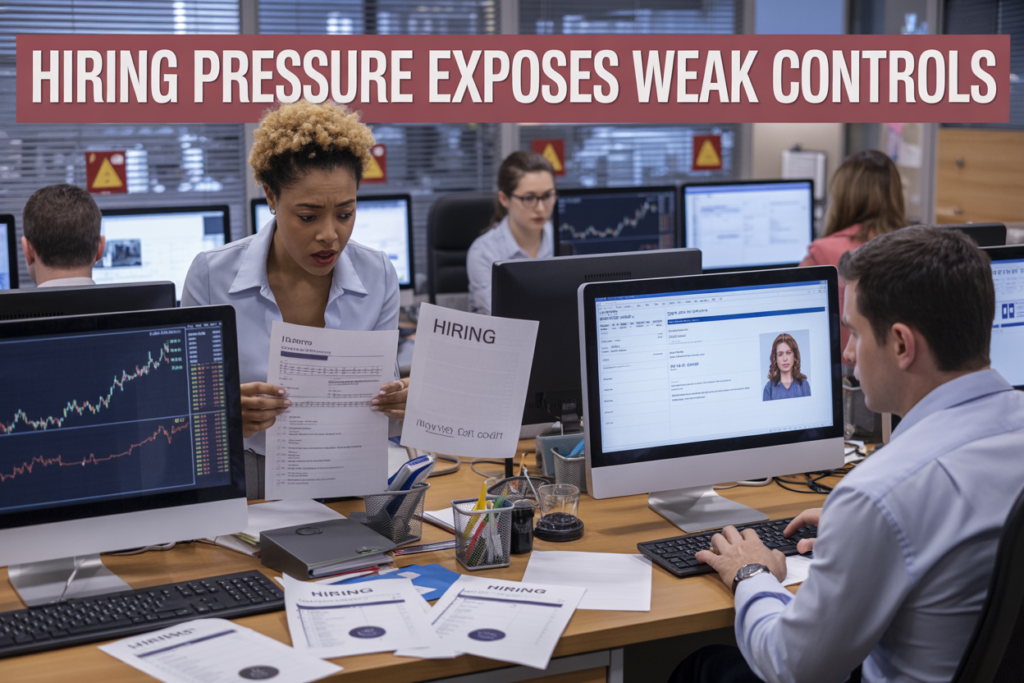
January through March brings intense early-year hiring pressure as companies rush to fill positions and launch new projects. This hiring surge creates perfect conditions for weak posting controls to fail, leaving finance and HR teams scrambling to catch costly mistakes.
This guide is for finance directors, HR leaders, and operations managers who need to protect their organizations during peak hiring season risks while maintaining hiring speed.
We’ll explore how hiring surge dynamics expose posting-control vulnerabilities that can drain budgets and create compliance headaches. You’ll discover the real financial and operational costs when control systems break down under pressure. Most importantly, we’ll share proven strategies to strengthen your posting controls without slowing down your hiring process.
The stakes are high during busy hiring periods. Small control gaps become expensive problems quickly when transaction volumes spike and approval processes are rushed.
Understanding Early-Year Hiring Surge Dynamics
Seasonal recruitment patterns that strain HR systems
Every January and February, companies experience a significant increase in hiring activity, placing enormous strain on their human resources infrastructure. This early-year hiring pressure creates a perfect storm where posting controls become vulnerable to errors and oversights. HR teams suddenly find themselves managing three times their normal workload as departments rush to fill positions before top candidates accept offers elsewhere.
The surge happens for predictable reasons: new graduates enter the job market, professionals make career moves after receiving year-end bonuses, and companies launch strategic initiatives with fresh budgets. But this predictability doesn’t make it easier to handle. HR systems that work smoothly during normal periods buckle under the weight of processing dozens of job postings simultaneously, each requiring proper approval workflows and financial authorization.
Many organizations discover their posting controls aren’t designed for this volume. Automated approval systems crash, manual processes create bottlenecks, and desperate hiring managers start bypassing established procedures to get positions posted quickly. The result? Job postings go live without proper budget verification, salary ranges exceed approved parameters, and essential compliance checkpoints get skipped entirely.
Budget allocation pressures are driving rushed decisions
New fiscal year budgets create a “use it or lose it” mentality that pushes hiring decisions into dangerous territory. Department heads suddenly face new headcount allocations and pressure to fill positions quickly before budget cycles shift or economic conditions change. This urgency transforms normally methodical hiring processes into frenzied races against time.
Posting controls become casualties when speed takes priority over accuracy. Finance teams often approve job postings without thorough budget verification because hiring managers need positions filled “yesterday.” The standard review process, which typically takes several days, is compressed into hours, increasing the likelihood of errors in salary approvals, job-level classifications, and department code assignments.
Budget pressure also drives hiring managers to inflate position requirements or salary ranges to attract candidates faster. Without robust posting controls, these inflated specifications slip through the approval process and create financial commitments that exceed actual budget allocations. Companies often don’t discover these discrepancies until months later when they’re reconciling actual expenses against planned budgets.
Competition for top talent is creating urgency
The talent market’s competitive nature reaches fever pitch during peak hiring season, forcing companies to make split-second decisions about job postings and compensation packages. When hiring managers spot a perfect candidate, they push for immediate approval of job postings, often circumventing standard control procedures to avoid losing talent to competitors.
This competitive pressure exposes weak posting controls in several ways. First, hiring managers demand expedited approvals that skip standard verification steps. Second, they request higher salary ranges than originally budgeted to remain competitive, creating unauthorized financial commitments. Third, they modify job descriptions and requirements in real time without proper documentation or approval processes.
The fear of losing top candidates drives otherwise methodical professionals to take shortcuts they’d never consider during normal hiring periods. HR departments feel caught between maintaining proper controls and supporting urgent business needs, often choosing speed over process integrity. This creates a dangerous precedent where posting controls are viewed as obstacles rather than essential safeguards.
New fiscal year mandates accelerating hiring timelines
Fresh fiscal years bring new strategic initiatives, expanded teams, and aggressive growth targets that compress normal hiring timelines into impossibly tight windows. Leadership mandates to “scale the team by 30% in Q1” or “launch the new division by March” create artificial deadlines that push hiring processes beyond their breaking points.
These mandates force HR teams to process multiple job postings simultaneously while maintaining normal operational responsibilities. Standard posting controls that work well for individual positions become overwhelming when applied to dozens of openings across multiple departments. Review cycles that normally ensure proper budget alignment and compliance verification get shortened or eliminated entirely.
The acceleration also creates communication gaps between hiring managers and control systems. Job requirements change rapidly as teams refine their needs, but these changes don’t always flow through proper approval channels. Finance teams approve postings based on initial requirements, only to discover later that actual positions differ significantly from what was originally authorized. This disconnect between approved postings and actual hiring needs creates financial and compliance risks that often remain hidden until quarterly reviews reveal the gaps.
Common Posting Control Vulnerabilities During Peak Hiring
Inadequate Job Description Review Processes
Most companies scramble during early-year hiring pressure, and job description reviews often become the first casualty. Rushed hiring managers skip the thorough vetting process that normally catches problematic requirements, inflated skill demands, or misaligned compensation expectations. This creates a domino effect: poorly defined roles attract misfit candidates, leading to costly mis-hires and extended vacancy periods.
The review process breaks down when multiple stakeholders need to sign off quickly. HR teams find themselves approving descriptions they haven’t fully analyzed, while department heads push through requirements that might overlap with existing roles or create unrealistic expectations. Without proper review protocols, organizations end up posting positions that don’t reflect actual job needs or market realities.
These weak posting controls during peak hiring season risk becoming particularly dangerous when job descriptions contain compliance violations or discriminatory language that legal teams would normally catch. The pressure to move fast allows critical oversights to slip through, exposing companies to potential lawsuits and regulatory issues.
Bypassed Approval Workflows for Faster Posting
When hiring pressure mounts, approval workflows get creative – and not in a good way. Department managers begin bypassing established processes, posting jobs directly to external boards before internal approvals are complete. This creates a nightmare scenario in which posted positions may lack budget approval, proper classification, or even executive sign-off.
Emergency hiring authorizations become the norm rather than the exception. What should be reserved for truly critical roles gets applied broadly, undermining the entire control structure. Finance teams discover unauthorized postings weeks later, when invoices from job boards begin to arrive, often for positions that were never formally approved or budgeted.
The bypass problem gets worse when different departments use different shortcuts. Sales might have their hiring manager post directly to LinkedIn, while IT works through a recruiting agency without proper documentation. This fragmented approach makes it impossible to track where posts have been posted, creating duplicate listings and confusion for candidates.
Inconsistent Salary Band Enforcement Across Departments
Salary band chaos erupts when hiring pressure peaks and departments start playing by their own rules. The structured compensation framework that works during normal hiring periods crumbles under the weight of the “we need someone now” mentality. Sales teams are offering equity packages that HR hasn’t approved, while engineering departments are promising sign-on bonuses that exceed company policy.
Different hiring managers interpret salary ranges differently, leading to wildly inconsistent offers for similar roles. A software developer might see the same company post identical positions with 30% salary differences depending on which department is hiring. This inconsistency damages the employer brand and creates internal equity issues that persist long after the hiring surge ends.
The enforcement problem becomes critical when departments create their own “emergency” salary bands without proper financial controls and vulnerability assessments. Finance discovers these unauthorized ranges during compensation audits, often after offers have been extended and accepted. Rolling back these commitments becomes expensive and legally complex, forcing companies to honor inflated packages that disrupt their entire compensation structure.
Financial Risks of Compromised Posting Controls
Budget Overruns from Uncontrolled Salary Offers
When early-year hiring pressure kicks into high gear, organizations often find themselves making salary offers that blow past their carefully planned budgets. Without proper posting controls in place, hiring managers start offering compensation packages that seem reasonable at the time but create significant financial headaches down the line.
The problem gets worse when multiple departments compete for the same talent pool. One team offers $85K for a marketing role, another department hears about it and bumps their similar position to $90K, and suddenly you’re in an internal bidding war that nobody planned for. These uncontrolled salary offers don’t just impact individual positions – they create a domino effect that can derail entire departmental budgets.
Peak hiring season risks become especially dangerous when companies lack standardized approval processes for compensation decisions. A single unauthorized salary bump can eat through months of budget allocation, forcing organizations to either cut other planned expenses or explain significant variances to leadership. The financial damage compounds quickly when these decisions are made simultaneously by multiple hiring managers.
Compliance Violations Leading to Costly Penalties
Weak posting controls during hiring surges create perfect conditions for compliance disasters. When companies rush to fill positions without proper oversight, they often skip critical steps that keep them compliant with employment laws and regulations.
Equal opportunity posting requirements become casualties of speed-focused hiring. Jobs are posted without proper classification, salary ranges are omitted or miscommunicated, and accessibility requirements are overlooked. These shortcuts might save a few hours during the posting process, but they can trigger investigations from regulatory bodies that result in penalties ranging from thousands to millions of dollars.
Financial controls vulnerabilities extend beyond basic posting compliance. Companies operating in multiple states or countries face even greater risks when hiring managers lack an understanding of local labor laws. A position posted with inappropriate salary bands in California, or a remote role that doesn’t account for state-specific benefits requirements, can trigger costly legal challenges that far exceed the savings from faster hiring.
Misaligned Compensation Creating Internal Equity Issues
Nothing destroys team morale faster than discovering that the new hire sitting next to you makes significantly more money for doing the same job. When posting controls break down under early-year hiring pressure, compensation decisions are made in isolation, creating pay disparities that can persist for years.
These internal equity issues don’t just hurt feelings – they create real financial liability. Existing employees who discover pay gaps often demand immediate salary adjustments, turning a single bad hiring decision into a department-wide compensation review. Companies then face the choice between correcting the inequity (expensive) and addressing potential discrimination claims (even more expensive).
The ripple effects spread beyond the immediate team. Word travels fast in organizations, and news of unfair compensation practices can damage recruitment efforts across all departments. Top performers begin questioning their pay, leading to higher turnover costs and the need for retention bonuses to retain critical talent.
Unauthorized Position Creations Impacting Forecasts
Perhaps the most dangerous financial risk arises when hiring managers create positions that never went through proper approval channels. During intense hiring periods, the pressure to move fast can lead to job postings that exist outside official headcount plans and budget allocations.
These unauthorized positions disrupt financial forecasting. CFOs suddenly discover salary obligations they never approved, benefit costs they didn’t budget for, and headcount numbers that don’t match their projections. The operational control systems that typically catch these issues are overwhelmed during peak hiring seasons, allowing unauthorized positions to slip through undetected before financial damage is done.
The problem becomes even more complex when these unauthorized positions are filled by candidates who relocate or leave other jobs in response to the offer. Companies then face difficult choices: honor commitments they never officially made, or deal with potential legal action from candidates who accepted positions in good faith. Either option carries significant financial consequences that could have been avoided with proper posting controls from the start.
Operational Consequences of Weak Control Systems
Inconsistent Candidate Experience Damaging Employer Brand
During early-year hiring pressure, weak posting controls create a chaotic candidate journey that seriously hurts your company’s reputation. Job seekers encounter confusing application processes, receive conflicting information about roles, and face delayed responses due to overwhelmed systems. When multiple departments rush to post positions without proper coordination, candidates often apply for similar roles across different business units, only to discover they’re essentially the same job with different titles.
This confusion frustrates top talent and spreads negative reviews on platforms like Glassdoor and LinkedIn. Candidates who experience disorganized hiring processes share their stories, warning others about your company’s unprofessional approach. The damage extends beyond individual candidates – your employer brand takes a hit that can take months or years to repair. High-caliber professionals start avoiding your company altogether, making future recruiting efforts significantly more challenging and expensive.
Duplicated Roles Causing Resource Waste
Operational control systems break down when departments simultaneously post identical or overlapping positions without proper oversight. This duplication wastes precious recruiting resources, with multiple teams screening candidates for essentially the same role. HR staff spend unnecessary hours managing redundant job postings, while hiring managers compete for the same talent pool.
The financial impact compounds quickly. Recruitment advertising costs increase when the same position appears across multiple platforms under different job titles. Internal recruiters waste time sourcing candidates who are already in another department’s pipeline. External recruiting agencies may inadvertently run duplicate searches, leading to vendor conflicts and additional fees. This resource drain becomes especially problematic during peak hiring season when budgets are already stretched thin and time is critical.
Poor Job Matching Reducing Retention Rates
Weak posting controls during hiring surges create mismatches between candidates’ expectations and actual job requirements. Rushed job descriptions are often inaccurate or contain outdated information, attracting candidates who aren’t truly suitable for the role. When posting controls are compromised, hiring managers may approve job descriptions that don’t reflect the real position, leading to disappointed new hires who quickly realize the role isn’t what they expected.
This mismatch problem creates a costly cycle of turnover. New employees who discover their job differs significantly from the posting feel deceived and start looking for other opportunities within their first few months. The cost of replacing these mismatched hires includes recruiting fees, training expenses, and lost productivity. Even worse, these employees often leave negative reviews about misleading job descriptions, further damaging your employer brand and making it harder to attract quality candidates in the future.
Strategic Solutions for Strengthening Posting Controls
Automated Approval Workflows Preventing Bypass Attempts
Organizations struggling with early-year hiring pressure often see employees circumvent standard approval processes to meet urgent deadlines. Automated workflows eliminate these backdoor shortcuts by creating mandatory checkpoints that can’t be skipped. These systems route hiring requests through predetermined approval chains based on position level, budget impact, and departmental authorization limits.
Smart workflow automation adapts to urgency without sacrificing control. When hiring managers flag positions as time-sensitive, the system accelerates approval timelines while maintaining all required sign-offs. Digital approval trails provide complete visibility into who approved what and when, creating accountability that manual processes simply can’t match.
The most effective automated systems include conditional logic that escalates approvals based on specific criteria. For example, any position that exceeds predetermined salary thresholds automatically requires CFO approval, while standard roles remain within departmental authorization levels.
Real-Time Budget Tracking Integrated with Posting Systems
Peak hiring-season chaos often stems from disconnected budget tracking that leaves managers unaware of spending limits. Integrated systems provide instant visibility into remaining budget allocations, preventing costly overruns before they happen. These platforms automatically update budget balances as positions are posted and filled, eliminating the lag time that creates financial vulnerabilities.
Real-time integration means hiring managers can view the current budget status directly within job-posting interfaces. Red flags appear immediately when proposed salaries exceed departmental limits, prompting conversations about priorities before commitments are made. This transparency prevents the awkward situation where great candidates receive offers that finance later rejects.
Advanced systems track not just base salaries but total compensation packages, including benefits, signing bonuses, and equity grants. This comprehensive view prevents organizations from staying within salary budgets while hemorrhaging money through other compensation channels.
Standardized Templates Ensuring Consistency
Rushed hiring decisions during peak seasons often result in inconsistent job descriptions, compensation structures, and approval documentation. Standardized templates create guardrails that maintain quality even when speed is essential. These templates include mandatory fields for budget codes, approval levels, and compliance requirements that can’t be overlooked in the rush to fill positions.
Template standardization extends beyond job postings to include approval forms, offer letters, and onboarding documentation. This consistency reduces errors that create downstream problems and ensures all hiring decisions include necessary financial and operational considerations.
Smart templates adapt to different role types while maintaining core control elements. Executive positions require additional approvals, while standard roles follow streamlined processes that still capture essential control information.
Cross-Functional Review Committees Balancing Speed with Control
Traditional approval chains often create bottlenecks during hiring surges, but eliminating oversight entirely invites disaster. Cross-functional committees strike the right balance by bringing together representatives from HR, finance, and operations to review hiring decisions quickly and thoroughly.
These committees meet regularly during peak hiring periods, sometimes daily, to review and approve pending positions. Having all stakeholders in the room simultaneously eliminates the back-and-forth delays that plague sequential approval processes. Committee members come prepared with budget status updates and operational priorities, enabling informed decisions in compressed timeframes.
The key to successful committee structures is clear decision-making authority and predetermined escalation paths. Committee members need explicit authorization levels so they can approve decisions on the spot rather than taking requests back to their departments for additional review.
Performance Metrics Monitoring Control Effectiveness
Strong posting controls mean nothing without measurement systems that verify they’re working as intended. Performance metrics should track both control compliance and hiring efficiency to ensure strategic control solutions don’t create operational roadblocks.
Key metrics include approval cycle times, budget variance rates, and control bypass attempts. Organizations should monitor how often emergency hiring procedures are invoked, as excessive use often indicates underlying process problems rather than genuine emergencies. Control effectiveness metrics help identify which safeguards deliver genuine value and which create unnecessary friction.
Regular metric reviews during and after peak hiring seasons reveal where control systems performed well and where adjustments are needed. This data-driven approach enables continuous improvement of posting controls, making them more effective and user-friendly over time.
The start of each year brings a perfect storm that can quickly reveal cracks in your company’s hiring processes. When departments rush to fill positions and budgets reset, weak posting controls become glaringly obvious through duplicate job listings, unauthorized spending approvals, and budget overruns that could have been prevented with proper oversight.
Smart companies use this annual pressure test to strengthen their systems before problems spiral out of control. Take time now to audit your posting controls, establish clear approval workflows, and train your team on proper procedures. The investment you make in tightening these processes today will save you from costly mistakes and operational headaches throughout the rest of the year.
Reaching qualified candidates at scale requires automation that unifies your job posting process. Explore our Google for Jobs, ZipRecruiter, and Handshake integrations to broaden visibility, and check the Programmatic Job Advertising category for insights on optimizing ROI. Whether you’re hiring for large organizations or fast-growing teams, Job Multiposter and Job Distribution make it easy to automate, scale, and measure success.


