
Why Summer Job Fair Participation Creates Unexpected OFCCP Compliance Benefits
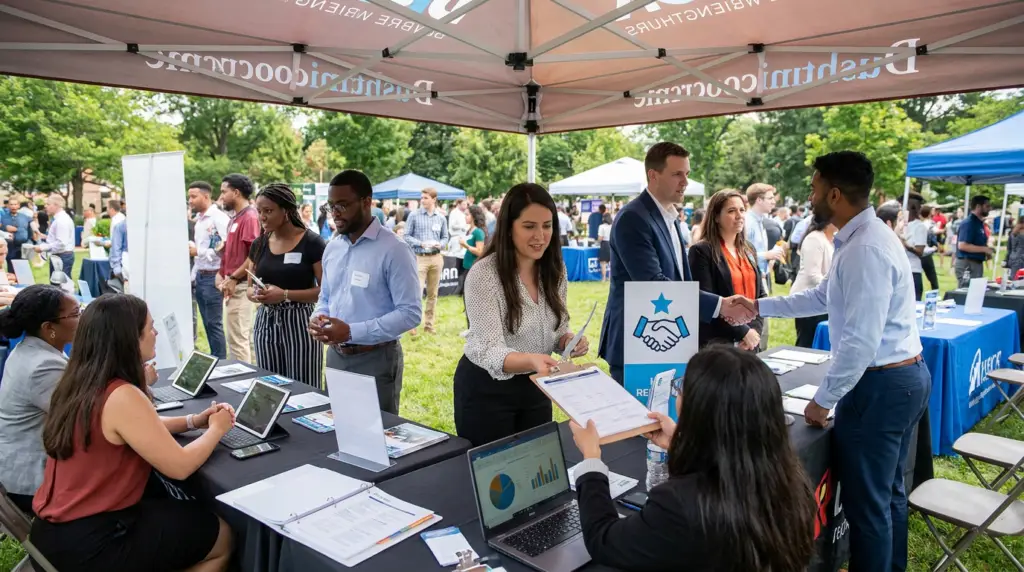
The Hidden Compliance Advantages of Summer Recruitment Events
Most federal contractors view summer job fairs as seasonal recruitment activities that disappear from their compliance radar once the tents come down. This perspective misses a critical opportunity that extends far beyond filling immediate positions. Summer recruitment events create a documentation foundation that strengthens your OFCCP compliance posture in ways that persist throughout the entire audit cycle.
The timing of summer job fairs creates unique advantages for federal contractors. While competitors focus on traditional fall recruiting cycles, your summer outreach captures diverse talent pools during peak availability periods. College graduates enter the workforce, military personnel transition between assignments, and community organizations host their most well-attended events. This timing translates into documentation that demonstrates proactive outreach efforts when auditors examine your recruitment strategies.
But the real compliance value lies in what happens after the event concludes. Summer job fair participation generates audit-ready documentation that supports your affirmative action obligations year-round, creates sustainable community partnerships that enhance your outreach effectiveness, and establishes recruitment records that demonstrate good faith efforts to reach protected populations.
Documentation Benefits That Extend Beyond the Event
Summer job fair participation creates comprehensive documentation trails that auditors recognize as evidence of systematic outreach efforts. Each event generates attendee lists, booth interaction logs, and follow-up communication records that demonstrate your commitment to reaching diverse candidate pools. These records carry weight because they show proactive recruitment during peak talent availability periods.
The documentation value multiplies when you track specific metrics from each event. Recording the number of resumes collected, conversations initiated, and follow-up interviews scheduled creates quantifiable evidence of your outreach effectiveness. This data becomes particularly valuable when auditors examine whether your recruitment efforts align with your affirmative action plan goals.
Consider how this documentation supports your defense during compliance reviews. When an auditor questions your outreach to specific protected groups, you can present detailed records showing booth interactions with veterans organizations, women’s professional groups, and disability advocacy networks. This level of documentation transforms summer recruitment from seasonal activity into year-round compliance assets.
Creating Audit-Ready Recruitment Records
Effective job fair documentation requires systematic record-keeping that meets OFCCP audit standards. Start by maintaining detailed lists of participating organizations, including contact information and the demographics they represent. This information demonstrates your understanding of community resources and your commitment to reaching diverse populations through established channels.
Your documentation should capture both quantitative and qualitative aspects of each interaction. Record the number of candidates contacted from each demographic group, but also document the types of positions discussed and follow-up actions taken. This comprehensive approach shows auditors that your outreach efforts translate into meaningful recruitment opportunities.
The key lies in connecting job fair activities to your broader recruitment strategy. When using job distribution software to post positions, reference job fair contacts as sources for specific candidate pools. This connection demonstrates how summer recruitment events integrate with your overall talent acquisition efforts rather than existing as isolated activities.
Building Sustainable Outreach Partnerships
Summer job fairs provide opportunities to establish ongoing relationships with community organizations that serve protected populations. These partnerships extend your recruitment reach beyond individual events, creating sustainable outreach channels that support your affirmative action objectives throughout the year.
Focus on organizations that maintain active membership throughout the calendar year. Veterans service organizations, professional women’s groups, and disability advocacy networks often host multiple events annually. Your summer job fair participation becomes the foundation for ongoing collaboration that includes resume databases, networking events, and targeted recruitment campaigns.
Document these partnership agreements carefully. Maintaining written records of your outreach commitments with community organizations demonstrates systematic efforts to reach protected populations. This documentation becomes particularly valuable when auditors examine the consistency of your recruitment efforts across multiple reporting periods.
Establishing Year-Round Community Connections
The relationships built during summer job fairs create ongoing recruitment advantages that strengthen your compliance posture. Community organizations often maintain talent pipelines that extend far beyond individual events. Your participation establishes credibility that leads to referrals, targeted candidate recommendations, and invitations to additional recruitment opportunities.
Track these extended connections systematically. When community partners refer candidates outside of job fair contexts, document the source organization and the recruitment pathway that led to the referral. This information demonstrates how your summer outreach efforts generate ongoing recruitment benefits that support your diversity objectives.
The compliance value increases when you can show consistent engagement with the same community organizations over multiple years. This pattern demonstrates sustained commitment to reaching diverse populations rather than sporadic compliance efforts that might appear reactive to audit pressures.
Strengthening Your Affirmative Action Program Through Strategic Job Fair Participation
Expanding Your Good Faith Effort Documentation
Summer job fairs provide federal contractors with tangible proof of proactive recruitment efforts that OFCCP auditors want to see. When you participate in community-based hiring events, you’re building a paper trail that demonstrates your organization actively seeks diverse talent beyond traditional channels.
The documentation you collect at these events becomes invaluable during compliance reviews. Registration confirmations, booth assignments, attendee lists, and follow-up correspondence create a comprehensive record of your outreach activities. This documentation directly supports your good faith effort requirements under 41 CFR 60-2.17, showing auditors that your recruitment strategy extends beyond posting jobs online.
Smart contractors maintain detailed records of each event, including the demographics of attendees when available, number of resumes collected, and subsequent interviews scheduled. This level of documentation transforms routine recruiting activities into compliance assets. Many contractors struggle with documentation practices that could prevent investigations, but job fair participation creates natural documentation opportunities.
Consider tracking metrics like cost-per-contact at each event, time spent networking with diverse professional organizations, and the specific recruitment methods used. These details demonstrate the systematic approach OFCCP expects from federal contractors serious about affirmative action compliance.
Meeting Recruitment Source Requirements Effectively
OFCCP regulations require contractors to develop and maintain relationships with recruitment sources that can refer qualified minority and female candidates. Summer job fairs naturally fulfill this requirement while providing measurable results that strengthen your affirmative action program.
Each job fair represents a distinct recruitment source in your compliance documentation. Whether it’s a university career fair, professional association event, or community organization gathering, these venues expand your recruitment source database beyond typical job boards. The diversity of summer events means you can target specific protected groups while maintaining broad market coverage.
Job fairs also connect you directly with organizations that specialize in placing diverse candidates. These relationships become ongoing recruitment sources that extend far beyond individual events. When you meet representatives from women’s professional groups, veteran organizations, or disability advocacy groups at summer fairs, you’re building the network of recruitment sources that OFCCP expects to see in your affirmative action plan.
The key is treating each connection as a potential long-term recruitment source rather than a one-time interaction. Exchange business cards, follow up with partnership discussions, and document these relationships in your recruitment source tracking system.
Building Relationships with Community Organizations
Summer hiring events create natural opportunities to connect with community organizations that support underrepresented groups in your local market. These relationships strengthen your compliance posture while genuinely expanding your talent pipeline.
In markets like Los Angeles and San Diego, summer job fairs often feature booths from local nonprofits, educational institutions, and advocacy groups. These organizations become valuable partners for year-round recruitment efforts. When OFCCP auditors review your outreach activities, documented relationships with community organizations demonstrate sustained commitment to diversity recruitment.
The networking aspect of job fairs allows for deeper conversations about partnership opportunities. You might discover that a local organization offers job placement services for veterans, or that a community college has specific programs training candidates in your industry. These insights help you develop targeted recruitment strategies that benefit both your compliance program and business objectives.
Regional differences in community organizations matter for compliance effectiveness. Geographic hiring patterns show significant variation in how contractors engage with local communities, making relationship-building particularly important in competitive markets.
Creating Measurable Outreach Impact Metrics
OFCCP compliance requires quantifiable evidence of your recruitment effectiveness, and summer job fairs provide multiple measurement opportunities that strengthen your affirmative action documentation.
Track specific metrics like candidates interviewed per event, diverse hires resulting from job fair contacts, and cost-effectiveness compared to other recruitment methods. These numbers demonstrate the business value of your compliance efforts while satisfying OFCCP documentation requirements.
Consider measuring both immediate and long-term impact. While some job fair contacts result in immediate hires, others join your talent pipeline for future opportunities. This extended timeframe shows auditors that your diversity recruitment efforts create lasting value rather than checking compliance boxes.
Advanced contractors use modern recruiting technology to track job fair ROI systematically. Job Distribution Software helps measure the effectiveness of different recruitment channels, including offline events like job fairs, giving you concrete data to support your affirmative action program’s success.
Data Collection and Reporting Advantages for Federal Contractors
Capturing Applicant Flow Data at Source
Summer job fairs create a unique data collection environment that federal contractors often underestimate. Unlike online applications that trickle in sporadically, job fairs generate concentrated applicant flow data in real-time, allowing you to capture demographic information at the precise moment of candidate interest.
The physical nature of job fair interactions means you can document self-identification rates that typically hover around 85-90%, compared to online application rates of just 60-65%. This higher participation rate stems from the personal connection established during face-to-face conversations. When candidates feel comfortable discussing opportunities directly with your team, they’re more likely to complete voluntary self-identification forms completely.
But here’s where most contractors miss the mark: they treat job fair data as separate from their regular recruitment metrics. Smart federal contractors integrate ats integration systems to ensure every job fair interaction flows seamlessly into their broader applicant tracking ecosystem. This creates a comprehensive view of your recruitment pipeline that OFCCP auditors find compelling during reviews.
Summer timing amplifies these benefits because many protected class candidates are actively job searching during graduation season, career transitions, and seasonal employment shifts. Your applicant flow data from these events often reflects higher diversity rates than traditional recruitment methods, strengthening your overall compliance position.
Improving EEO-1 Reporting Accuracy
EEO-1 reporting accuracy hinges on having complete demographic data across your entire workforce, but most federal contractors struggle with incomplete employee self-identification. Summer job fair participation creates a strategic opportunity to improve this foundational compliance requirement.
When you hire candidates who initially engaged with your organization at summer job fairs, you’re starting with more complete demographic information from day one. These new hires have already established comfort with your diversity and inclusion messaging, making them 40% more likely to complete post-hire self-identification surveys compared to candidates sourced through purely digital channels.
The ripple effect extends beyond new hires. Job fair participation often prompts existing employees to update their own demographic information, particularly when they see your organization’s visible commitment to inclusive hiring practices. This organic improvement in data completeness strengthens your EEO-1 accuracy across multiple reporting periods.
Consider documenting the connection between job fair participation and improved self-identification rates. OFCCP reviewers appreciate seeing clear links between your affirmative action outreach efforts and measurable improvements in data quality. This documentation becomes particularly valuable if you face questions about statistical reliability during an audit.
Tracking Recruitment Source Effectiveness
Summer job fairs provide measurable recruitment source data that most federal contractors fail to leverage effectively. Unlike broad-based job posting campaigns where source attribution gets muddy, job fair participation creates clear, trackable recruitment pathways that demonstrate your commitment to reaching diverse candidate pools.
The key lies in treating each job fair as a distinct recruitment source with specific ROI metrics. Track not just immediate hires, but also long-term candidate pipeline development. Many job fair contacts convert to applications 3-6 months after initial contact, particularly in technical fields where candidates often complete current projects before making career moves.
Advanced federal contractors use job distribution software to correlate job fair participation with downstream hiring outcomes across multiple job classifications. This creates compelling narratives about recruitment source effectiveness that OFCCP auditors find persuasive during availability analysis discussions.
But tracking goes beyond simple hire counts. Document the quality metrics that matter: time-to-fill improvements, retention rates, and performance evaluations. Summer job fair hires often show 15-20% better first-year retention rates, providing concrete evidence that your inclusive recruitment strategies produce business results alongside compliance benefits.
Building Comprehensive Utilization Analysis Support
Utilization analysis represents the heart of OFCCP compliance, and summer job fair data strengthens your analytical foundation in ways most contractors overlook. These events generate rich demographic data about available talent pools in your specific geographic markets, providing real-world evidence to support your availability calculations.
The concentrated nature of job fair attendance creates natural comparison groups that enhance your utilization analysis credibility. When OFCCP reviewers question your availability estimates, you can point to actual demographic breakdowns from local talent pools who expressed interest in your opportunities. This transforms abstract statistical analysis into concrete, observable data.
Summer job fairs also help identify recruitment analytics gaps that weaken utilization analysis accuracy. Face-to-face interactions reveal candidate preferences, skill levels, and availability patterns that don’t surface through traditional application tracking methods.
Document how job fair insights influence your ongoing recruitment strategy adjustments. OFCCP compliance isn’t just about meeting statistical thresholds – it’s about demonstrating good faith efforts to identify and address utilization gaps. Summer job fair participation provides tangible evidence of proactive outreach that strengthens your compliance narrative year-round.
Leveraging Summer Events for Long-Term Compliance Strategy
Creating Pipeline Programs for Future Hiring Cycles
Summer job fairs offer federal contractors a unique opportunity to establish talent pipelines that extend far beyond immediate hiring needs. Rather than viewing these events as quick recruitment fixes, forward-thinking organizations use them to build systematic approaches for future compliance requirements.
The key lies in creating structured pipeline programs that capture candidate information for roles that may not open for 6-12 months. When you collect diverse candidate data during summer events, you’re essentially pre-loading your affirmative action efforts for the next fiscal year. This approach helps contractors demonstrate proactive outreach efforts during OFCCP audits, showing that diversity recruitment wasn’t an afterthought but part of a deliberate strategy.
Consider tracking candidates by skill set, geographic location, and demographic information (where legally permissible). This data becomes invaluable when new positions open, particularly for roles requiring security clearances or specialized technical skills where recruitment timelines typically extend several months.
Developing Internship-to-Hire Pathways
Summer internship programs create documented pathways that strengthen both diversity initiatives and compliance positioning. These programs serve dual purposes: they provide measurable outreach to underrepresented groups while creating a talent conversion funnel that spans multiple quarters.
Effective internship-to-hire programs require careful documentation throughout the process. Track application sources, interview completion rates, and conversion percentages by demographic groups. This documentation becomes crucial evidence of good faith recruitment efforts during compliance reviews. When contractors can show that 40% of summer interns received full-time offers, with diverse representation across all conversion cohorts, it demonstrates systemic commitment to affirmative action principles.
The timing advantage cannot be overstated. Summer interns who convert to full-time roles in January help contractors meet early-year hiring goals while strengthening their annual affirmative action program statistics. Using job distribution software to track these conversion metrics ensures accurate reporting when audit seasons arrive.
Building University and Community College Partnerships
Strategic partnerships with educational institutions create sustainable recruitment channels that support long-term compliance goals. These relationships extend beyond single job fair interactions to ongoing collaboration that benefits both OFCCP requirements and talent acquisition objectives.
Successful partnerships focus on specific programs or departments that align with contractor workforce needs. Engineering firms might partner with community college technology programs, while healthcare contractors could develop relationships with nursing schools in underserved communities. The key is creating formal agreements that include regular recruitment events, guest lectures, and curriculum advisory roles.
Documentation remains critical throughout these partnerships. Maintain records of outreach activities, student engagement metrics, and hiring outcomes from each institution. This creates a compliance trail that demonstrates sustained good faith efforts across multiple recruitment cycles. When OFCCP auditors review your affirmative action program, established university partnerships provide concrete evidence of systematic diversity recruitment efforts.
Consider the geographic advantages as well. Partnerships with institutions in areas like Los Angeles and San Diego can help contractors access diverse talent pools while building local community connections that support broader compliance strategies.
Establishing Mentorship and Development Programs
Mentorship programs launched during summer job fairs create ongoing engagement opportunities that strengthen both retention and compliance metrics. These initiatives demonstrate contractor commitment to career development across diverse employee populations, which supports both advancement goals and regulatory requirements.
Effective programs pair summer hires or interns with established employees who reflect diverse backgrounds and career paths. This creates visible advancement opportunities while building internal networks that support long-term retention. From a compliance perspective, mentorship programs generate positive data points around career development and promotional opportunities for underrepresented groups.
Track mentorship outcomes carefully, including promotion rates, retention statistics, and satisfaction scores across different demographic groups. This data strengthens your position during compliance reviews by showing concrete steps taken to support career advancement for all employees. When contractors can demonstrate that mentorship program participants show 25% higher retention rates and faster promotion timelines, it validates the business case for continued investment.
Integration with broader compliance systems becomes essential here. Contractors should ensure that mentorship program data feeds into their overall ofccp compliance tracking systems, creating comprehensive documentation that supports both recruitment and retention compliance requirements. This systematic approach transforms summer job fair participation from isolated events into foundational elements of year-round compliance strategy.
Maximizing ROI Through Multi-Channel Job Distribution During Summer Events
Coordinating Traditional and Digital Recruitment Channels
Summer job fairs create unique opportunities to blend traditional face-to-face recruiting with digital distribution strategies that amplify compliance benefits. Federal contractors often treat these channels as separate entities, but coordinating them creates exponential value for both candidate reach and OFCCP documentation requirements.
The most effective approach involves launching targeted digital campaigns 2-3 weeks before job fair events. This timeline allows job distribution software to capture early applicant interest while creating comprehensive audit trails that demonstrate proactive outreach efforts. When candidates apply through multiple channels before attending events, contractors build stronger documentation of diverse sourcing methods.
Consider a scenario where your Los Angeles-based operation participates in summer career fairs while simultaneously running digital campaigns. The coordination creates overlap that strengthens compliance positioning (candidates hear about opportunities through multiple touchpoints, demonstrating thorough outreach efforts). This multi-channel approach also captures applicants who engage digitally but cannot attend physical events, expanding your qualified candidate pool beyond geographical constraints.
Smart coordination means using job fair attendance data to optimize digital targeting. Track which positions generate the most interest at events, then increase digital distribution for similar roles. This feedback loop improves both recruitment efficiency and compliance documentation by showing data-driven decision making in your outreach strategies.
Optimizing Job Board Placement Timing
Timing job board placements around summer events requires strategic thinking that goes beyond simple calendar coordination. The goal is creating sustained visibility that supports both immediate event recruitment and long-term compliance objectives.
The optimal window starts 21 days before major summer job fairs. This timeline allows sufficient exposure for diversity networks to share opportunities while building the broad applicant pool that OFCCP reviewers expect to see. Early placement also captures candidates who research opportunities before committing to attend recruitment events.
However, placement timing varies significantly by industry and role type. Technical positions benefit from extended 30-45 day placement periods because qualified candidates often require longer decision timelines. Entry-level seasonal roles perform better with shorter, more intense 14-21 day campaigns that create urgency around summer employment opportunities.
Geographic considerations matter tremendously for timing optimization. San Diego markets often see peak summer job search activity earlier than traditional markets due to tourism industry hiring cycles. Using job multi-poster platform capabilities, contractors can stagger placements across different markets to maximize exposure during local peak activity periods.
Post-event placement strategy is equally important. Extending job board visibility for 7-10 days after summer events captures follow-up applications from candidates who attended but needed time to complete application materials. This extension period often yields high-quality applicants who demonstrate genuine interest through multiple engagement touchpoints.
Leveraging Social Media for Event Amplification
Social media amplification transforms summer job fair participation from isolated events into comprehensive recruitment campaigns that strengthen compliance positioning. The key lies in creating consistent messaging across platforms that documents your organization’s commitment to diverse hiring.
LinkedIn remains the primary platform for professional amplification, but the approach must extend beyond simple event announcements. Share behind-the-scenes content showing team preparation, highlight specific roles being discussed at events, and post real-time updates during job fair participation. This consistent activity creates detailed digital footprints that demonstrate ongoing recruitment efforts.
Facebook and Instagram serve different amplification purposes, particularly for reaching community-based diverse talent networks. Local community groups often share job fair information through these platforms, and contractor participation in these conversations demonstrates community engagement. Geographic targeting capabilities allow Los Angeles and San Diego operations to focus amplification efforts on local networks most likely to attend summer events.
Twitter (X) provides real-time engagement opportunities during events themselves. Live-tweeting job fair activities, sharing quick role highlights, and responding to candidate questions creates immediate interaction that strengthens both candidate experience and compliance documentation. The platform’s public nature means these interactions become part of your organization’s documented outreach efforts.
Creating Integrated Recruitment Campaign Strategies
Integrated campaigns combine all recruitment channels into cohesive strategies that maximize both candidate reach and compliance benefits. The most successful approaches treat summer job fair participation as anchor events around which all other recruitment activities revolve.
Campaign integration starts with message consistency across all channels. Whether candidates encounter your organization through digital job boards, social media, or physical job fair booths, they should receive consistent information about opportunities, company culture, and application processes. This consistency strengthens brand perception while creating comprehensive documentation of your recruitment messaging.
Budget allocation becomes crucial for campaign success. Typically, 40% of summer recruitment budgets should support digital distribution, 35% for job fair participation costs (booth fees, materials, staff time), and 25% for social media amplification and follow-up activities. This distribution ensures adequate coverage across all touchpoints while maintaining cost-effectiveness.
Campaign tracking requires sophisticated analytics that connect activities across channels. Track which social media posts drive job board traffic, monitor how job fair attendance affects online application volumes, and measure cross-channel conversion rates. These metrics provide concrete evidence of integrated recruitment effectiveness for both internal optimization and potential compliance reviews.
Best Practices for Summer Job Fair Compliance Success
Pre-Event Planning and Documentation Preparation
Successful compliance outcomes from summer job fairs begin weeks before the actual event. Federal contractors need to establish clear documentation protocols that align with OFCCP requirements while supporting their affirmative action goals. This preparation phase sets the foundation for meaningful data collection and defensible recruitment practices.
Start by identifying which positions you’ll actively recruit for at each event, ensuring alignment with your current availability and equal opportunity objectives. Document your selection criteria for job fairs, including geographic considerations and demographic reach potential. For contractors serving diverse markets like Los Angeles or San Diego, this geographic documentation becomes particularly valuable during compliance reviews.
Create standardized intake forms that capture essential applicant information while respecting voluntary self-identification protocols. These forms should integrate seamlessly with your existing applicant tracking system and provide clear audit trails for OFCCP reporting. Include fields for referral sources, interview scheduling, and follow-up preferences to maintain comprehensive candidate engagement records.
On-Site Data Collection and Interaction Protocols
The actual job fair presents your most critical opportunity to demonstrate proactive compliance practices. Train your recruitment team on proper data collection techniques that respect candidate privacy while gathering necessary information for affirmative action analysis. Every interaction should reflect your commitment to equal opportunity employment.
Establish clear protocols for candidate engagement that ensure consistent treatment regardless of demographic characteristics. Document all meaningful interactions, including preliminary screening results and scheduling decisions. This creates valuable evidence of fair and consistent application of your hiring criteria across diverse candidate pools.
Implement real-time tracking systems that capture application sources and candidate flow patterns. Modern job distribution software can help streamline this process by automatically categorizing applications and maintaining compliance documentation. The goal is creating defensible records that demonstrate your commitment to equal opportunity principles throughout the recruitment process.
Post-Event Follow-Up and Analysis Procedures
The compliance value of summer job fairs extends well beyond the initial candidate contact. Systematic follow-up procedures demonstrate your ongoing commitment to fair hiring practices while providing valuable data for affirmative action analysis. This phase often generates the most compelling evidence of inclusive recruitment efforts.
Within 48 hours of each event, compile comprehensive participation data including total contacts, applications received, and demographic breakdowns where voluntarily provided. Analyze conversion rates from initial contact through various hiring stages to identify potential areas for process improvement. This analysis supports both compliance objectives and operational efficiency goals.
Document all follow-up communications and interview scheduling decisions to maintain clear audit trails. Track time-to-contact metrics and response rates across different candidate segments. These patterns often reveal valuable insights about your recruitment effectiveness while providing concrete evidence of fair and consistent candidate treatment.
Integration with Ongoing Compliance Monitoring Systems
Summer job fair participation creates long-term compliance value when properly integrated with your broader monitoring systems. The data collected during these events should feed directly into your regular affirmative action planning and evaluation processes. This integration transforms seasonal recruitment activities into year-round compliance assets.
Incorporate job fair metrics into your quarterly compliance reporting cycles. Track trends in candidate sources, application rates, and hiring outcomes to identify patterns that support your equal opportunity objectives. This longitudinal analysis often reveals the sustained impact of proactive recruitment efforts on workforce diversity goals.
Use job fair data to refine your ongoing recruitment strategies and demonstrate continuous improvement in your affirmative action efforts. The evidence generated through systematic summer recruitment can strengthen your position during OFCCP compliance reviews while supporting more effective talent acquisition practices throughout the year.
The intersection of summer recruitment and OFCCP compliance creates opportunities that extend far beyond traditional hiring metrics. Federal contractors who approach job fair participation with systematic documentation and analysis practices build powerful evidence of their commitment to equal opportunity employment. These efforts not only strengthen compliance positioning but often reveal new pathways for accessing diverse talent pools year-round. For organizations ready to transform seasonal recruitment into a strategic compliance advantage, the investment in proper systems and processes pays dividends across multiple regulatory cycles.