

Craigslist Gigs and Jobs: When Each Makes Sense in Early-Year Hiring
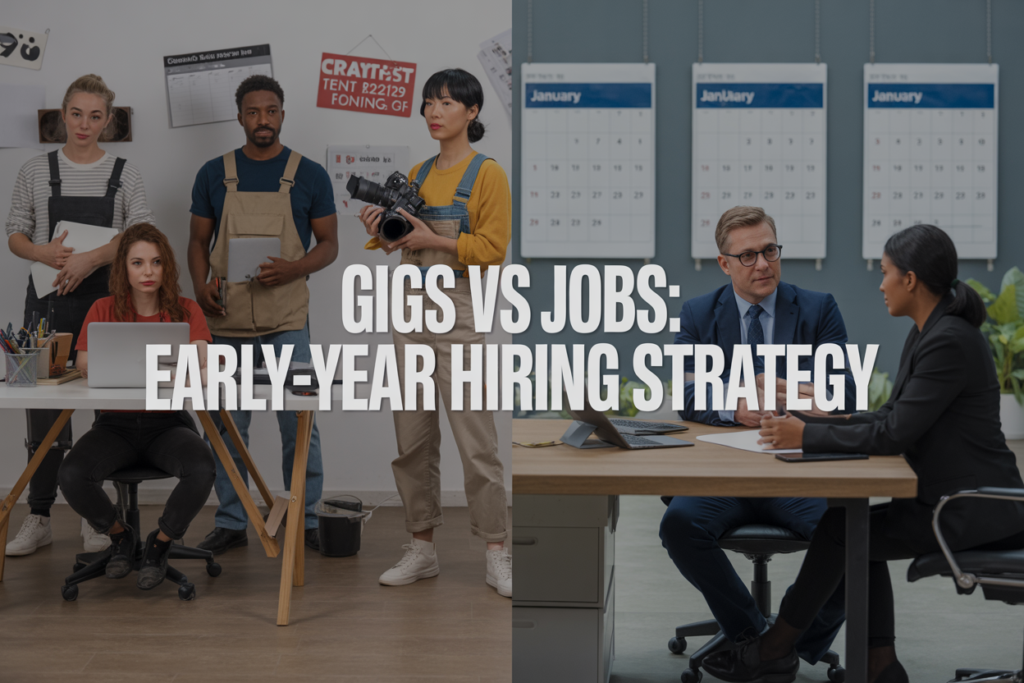
Craigslist Gigs and Jobs: When Each Makes Sense in Early-Year Hiring
January through March brings unique opportunities for hiring, but choosing between Craigslist gigs vs jobs can make or break your early-year hiring strategies. Small business owners, HR managers, and startup founders face a critical decision: should you post gig work for quick project completion or commit to traditional job listings for long-term growth?
The answer depends on your specific needs, budget, and market timing. Gig workers hiring offers flexibility and cost control during uncertain first-quarter planning, while traditional employees provide stability and deeper company integration. Seasonal hiring trends show distinct patterns that smart employers can leverage.
This guide breaks down the practical differences between freelance vs employee hiring approaches on Craigslist. You’ll discover when gig postings deliver faster results for short-term projects and tight deadlines. We’ll also explore situations in which traditional job listings attract higher-quality, long-term candidates who align with your company culture. Finally, we’ll cover proven Craigslist job posting tips that boost response rates and help you find the right talent faster, regardless of which hiring approach you choose.
Understanding the Key Differences Between Gigs and Traditional Jobs
Defining Gig Work Versus Permanent Employment Opportunities
Gig work on Craigslist typically involves project-based arrangements where businesses hire independent contractors for specific tasks or short-term assignments. These postings often use keywords like “freelance,” “contract,” or “per project” and focus on deliverables rather than ongoing responsibilities. Examples include graphic design projects, event photography, or website development with clear start and end dates.
Traditional job postings, on the other hand, advertise permanent or long-term positions with ongoing responsibilities, benefits, and career growth potential. These listings include roles such as administrative assistants, sales representatives, and customer service positions that require consistent availability and integration into the company culture.
The distinction becomes crucial when posting on Craigslist because each attracts different candidate pools. Gig workers often have specialized skills and prefer flexibility, while job seekers typically want stability and predictable income streams.
Comparing Time Commitments and Project Scope Expectations
Gig work arrangements usually span days to months, with clearly defined project boundaries and deliverables. A web designer might spend three weeks creating a company website, or a marketing consultant could run a two-month campaign launch. The scope remains fixed, and once completed, the working relationship often ends.
Traditional jobs involve open-ended time commitments with evolving responsibilities. An office manager’s duties might expand from basic administrative tasks to include vendor management, event planning, and staff coordination over time. The scope grows organically based on business needs and employee capabilities.
This difference affects how you structure your Craigslist postings. Gig advertisements should specify exact timelines, deliverables, and completion criteria. Job postings need to outline ongoing responsibilities while leaving room for role development and growth opportunities that appeal to candidates seeking long-term stability.
Analyzing Payment Structures and Compensation Models
Craigslist gigs vs jobs show stark differences in payment approaches. Gig workers typically receive project-based payments, often structured as milestones or lump sums upon completion. A photographer might charge $500 for an event, while a content writer could quote $50 per article or $2,000 for a month-long campaign.
Traditional employment follows regular salary or hourly wage structures, with additional benefits such as health insurance, paid time off, and retirement contributions. These positions offer predictable income streams but often entail overhead costs beyond base compensation.
Independent contractors and full-time employees handle their own taxes, insurance, and business expenses, while employees have tax withholdings and employer-provided benefits. This creates different total compensation calculations that affect both hiring costs and candidate expectations when posting on Craigslist.
Evaluating Skill Requirements and Experience Levels
Gig postings often require specialized expertise in narrow areas. Businesses hire freelancers because they need specific skills for particular projects – like Python programming for a custom application or professional photography for product catalogs. These roles require proven portfolios and immediate productivity, with no extensive training required.
Traditional job listings place greater emphasis on cultural fit, trainability, and well-rounded capabilities that support long-term growth. A customer service representative might begin with basic communication skills and, over time, develop product expertise, sales techniques, and management skills.
The hiring approach differs significantly: gig workers demonstrate value through past work samples and quick turnaround, while traditional employees demonstrate potential through interviews, references, and a willingness to learn company-specific processes and values.
Strategic Advantages of Hiring Gig Workers in Early-Year Planning
Maximizing Budget Flexibility During Uncertain Revenue Periods
Early-year hiring poses unique cash-flow challenges for businesses navigating unpredictable revenue streams. Gig workers hired through Craigslist offer a cost-effective solution for companies looking to stretch their budgets while maintaining operational flexibility. Unlike traditional employees who receive a fixed monthly salary regardless of business performance, gig workers are compensated on a project-based basis that aligns directly with your actual revenue.
This approach becomes particularly valuable when Q4 revenue numbers are still being finalized or when you’re waiting for client payments from the previous year. You can scale your workforce up or down based on immediate project needs and available funds, avoiding the financial pressure of fixed labor costs during slower periods.
Small-business hiring strategies that emphasize gig work also eliminate the need for benefits packages, unemployment insurance contributions, and other employee-related expenses that can drain resources during lean months. Instead of committing to $4,000 per month for a full-time position, you might spend $1,200 on a specific project to keep your burn rate manageable.
Testing New Project Ideas Without Long-Term Commitments
The distinction between Craigslist gigs and jobs becomes most apparent when you’re exploring uncharted territory with new service offerings or market segments. Gig workers serve as your testing ground for concepts that may not yet warrant full-time employee commitment.
Imagine launching a social media management service for restaurants when your core business focuses on web design. Rather than hiring a dedicated social media manager, you can engage freelancers for 2-3 client trials. This lets you evaluate market demand, refine your service delivery, and understand profit margins before making substantial hiring commitments.
Freelance vs employee hiring decisions become clearer when you consider the experimental nature of early-year initiatives. Gig workers bring fresh perspectives without the expectation of permanent employment, making them ideal partners for pilot programs. You can test different approaches with various freelancers to identify the most effective strategies before potentially scaling up with permanent staff.
Accessing Specialized Skills for Seasonal or Temporary Needs
Early-year hiring strategies often focus on accessing expertise your permanent team lacks. Tax season, annual report preparation, website redesigns, or marketing campaign launches require specialized knowledge that may be needed only periodically.
Independent contractors vs full-time employees makes perfect sense when you need a graphic designer for quarterly marketing materials or a copywriter for annual catalog updates. These professionals often prefer project-based work, allowing you to tap into higher-level expertise than you could afford on a full-time basis.
Seasonal hiring trends show that many skilled professionals actively seek gig work during the early months, making talent acquisition easier and more cost-effective. You’re competing with fewer employers for these specialists since many companies delay major hiring until later in the year.
Reducing Overhead Costs and Administrative Burdens
Temporary workers’ early-year arrangements significantly reduce administrative complexity compared to traditional employee onboarding. No background checks, benefits enrollment, workspace setup, or equipment procurement delays your project timeline.
Gig workers typically provide their own tools, software licenses, and workspace, eliminating overhead expenses that can easily add 30-40% to employee costs. A $3,000 project with a freelancer might cost $4,200 if you hired an employee for equivalent work when factoring in workspace, equipment, and administrative time.
Craigslist job posting tips emphasize the speed advantage of gig hiring. You can post a project today and have someone working within 48 hours, whereas traditional hiring processes often extend weeks or months. This agility proves invaluable when client demands shift quickly or unexpected opportunities arise that require immediate action.
The reduced paperwork burden alone saves considerable time, allowing business owners to redirect it toward revenue-generating activities rather than HR management tasks.
When Traditional Job Postings Deliver Better Results
Building Core Team Stability for Ongoing Operations
Traditional job postings shine when you need people who’ll stick around and become the backbone of your business. Think about it – some positions simply can’t handle constant turnover without everything falling apart. Your customer service lead, office manager, or key technician needs to understand your systems, know your customers, and be there when things get crazy.
The difference between Craigslist jobs and gigs becomes clear when you consider operational continuity. While gig workers excel at specific tasks, full-time employees build institutional knowledge that’s impossible to replace quickly. They learn your quirky software, understand which clients need extra attention, and know exactly how you like things done.
Early-year hiring for permanent positions also gives you time to properly evaluate candidates. You can take a measured approach, conduct multiple interviews, and really get to know someone before they become part of your daily operations. This luxury disappears when you’re scrambling to fill urgent project needs with temporary workers.
Developing Long-term Talent Pipelines and Company Culture
Small-business hiring strategies that focus on permanent employees create something gig work can’t: a genuine company culture. When people know they’re building a career with you rather than just completing a project, they invest differently in your success.
Traditional hires become culture carriers who train new people, maintain quality standards, and represent your values to customers. They’re the ones who remember why you do things a certain way and can explain the reasoning to newcomers. This cultural continuity becomes incredibly valuable as your business grows.
Early-year hiring strategies for permanent positions also help you spot rising stars early. That entry-level person you hire in January might become your next department head by December. Gig workers, no matter how talented, rarely stick around long enough for that kind of professional development to unfold.
Building these talent pipelines takes patience, but the payoff is huge. Instead of constantly searching for new people, you’re promoting from within and attracting referrals from happy employees.
Investing in Roles Requiring Extensive Training and Onboarding
Some positions require significant upfront investment that only makes sense with freelance hiring, given the tilt toward permanent staff in employee hiring. Technical roles, compliance-heavy positions, or jobs requiring specialized certifications need people who’ll be around long enough to justify the training costs.
Consider a bookkeeper who needs to learn your industry’s specific regulations, your software systems, and your reporting preferences. Training someone properly might take months, making it financially sensible only if they’re staying for years. Gig workers rarely commit to that level of specialized learning.
Craigslist job posting tips for these training-intensive roles should emphasize growth opportunities and long-term career development. Highlight how the position builds valuable skills and offers advancement potential. This attracts candidates who view the role as a stepping stone rather than a temporary stop.
The onboarding investment extends beyond technical training. Complex roles often require building relationships with vendors, understanding internal politics, and developing judgment about when to bend the rules. These soft skills take time to develop and deliver real value that stays with the organization when someone leaves.
Traditional hiring makes sense when the learning curve is steep, the consequences of mistakes are high, or the role requires deep integration with existing teams and processes.
Early-Year Market Conditions That Favor Each Approach
Leveraging post-holiday freelancer availability for gig work
The period right after the holidays creates a perfect storm for finding talented gig workers on Craigslist. Many freelancers deliberately scale back their client work during December to spend time with family, leaving them eager to jump back into projects come January. This seasonal availability means you’ll find experienced professionals actively seeking short-term assignments to rebuild their cash flow after holiday expenses.
Freelance vs. employee hiring becomes particularly relevant during this window because many skilled contractors are seeking quick-start projects rather than lengthy interview processes. Graphic designers, writers, web developers, and consultants who took holiday breaks are now refreshed and motivated to tackle new challenges. The pool of available talent expands significantly as college students return from winter break and part-time professionals seek additional income streams to offset holiday spending.
Capitalizing on the New Year job seeker motivation for permanent roles
Early-year hiring strategies should absolutely take advantage of the “New Year, new job” mentality that peaks in January and February. Career changers who spent the holidays planning their next move flood job boards with renewed energy and clear goals. This motivation translates into higher application quality and more committed candidates for permanent positions.
Unlike the post-holiday gig surge, job seekers pursuing independent contractor or full-time positions are looking for stability and long-term growth opportunities. They’ve used the holiday downtime to update resumes, reflect on career goals, and research potential employers. This preparation makes them more likely to be serious candidates who will stay once hired.
Craigslist job posting tips are especially crucial during peak season, as competition for top candidates intensifies. Companies that move quickly and offer clear advancement opportunities will capture the best talent before competitors snatch them up.
Timing considerations for budget cycles and fiscal planning
Budget cycles create distinct windows when Craigslist gigs vs. jobs strategies must align with financial realities. Many businesses start their fiscal year in January with fresh budgets, making it an ideal time for permanent hires that require salary commitments and benefits packages. The approved headcount numbers are clear, and managers have the authority to spend on new positions.
Conversely, companies operating on tight Q1 budgets often prefer project-based gig workers hiring to accomplish specific tasks without long-term financial commitments. This approach allows them to test the waters with new team members or handle seasonal workload spikes without exceeding personnel budgets.
Small-business hiring strategies benefit particularly from understanding these cycles. A retail business might use gigs for inventory management in January while waiting until Q2 to hire permanent staff once revenue projections become clearer.
Understanding seasonal demand fluctuations in different industries
Different sectors experience unique seasonal hiring trends that smart employers can leverage on Craigslist. Tax preparation services need temporary help from January through April, making gig work the obvious choice. Meanwhile, software companies often see increased demand for permanent developers as venture funding rounds close in Q1.
The fitness industry exemplifies this perfectly – gyms need both temporary trainers for the New Year resolution rush and permanent staff to handle sustained membership growth. Understanding whether your industry’s early-year demand reflects a temporary spike or sustained growth informs your early-year strategy for temporary workers.
Construction and landscaping businesses typically slow down in winter, creating a pool of skilled workers available for indoor renovation gigs. These professionals often prefer short-term projects that let them maintain flexibility while earning income during their industry’s slow season.
Craigslist hiring success rates improve dramatically when timing aligns with these natural industry rhythms rather than fighting against them.
Maximizing Success Rates on Craigslist for Both Hiring Types
Crafting Compelling Gig Descriptions That Attract Quality Freelancers
Your gig description serves as a magnet for the right talent. Start with a clear, action-oriented title that immediately communicates what you need done. Instead of “Marketing Help Needed,” try “Content Writer Needed for 3-Month Social Media Campaign.” Quality freelancers scan through dozens of posts daily, so specificity wins their attention.
Detail the exact scope of work, timeline, and deliverables. Freelancers want to know if they can realistically complete the task within their current schedule. Include your budget range upfront – this saves everyone time and attracts candidates who value transparency. Mention any specific software, skills, or experience requirements early in the post.
The tone matters significantly when targeting gig workers. Write conversationally but professionally. Share why this project excites you or how it fits into larger business goals. Freelancers often choose projects based on passion and learning opportunities, not just payment.
End with clear next steps for the application. Ask for portfolio samples, relevant experience, and availability. Quality freelancers will appreciate structured requirements because it shows you’re serious about finding the right match.
Writing Job Postings That Stand Out to Serious Career-Focused Candidates
Career-minded candidates evaluate job postings differently from gig seekers. They’re looking for growth potential, company culture, and long-term stability. Your Craigslist job posting needs to compete with major job boards, so make it shine.
Start with your company story. Even if you’re a small business, share your mission, values, and growth vision. Career-focused candidates want to join something meaningful, not just collect a paycheck. Describe the role’s impact on the business and potential career progression paths.
Be specific about compensation and benefits. While gig workers might accept vague payment terms, full-time candidates need concrete information to make career decisions. Include salary ranges, health benefits, vacation time, and any unique perks your company offers.
Address the elephant in the room – why you’re hiring on Craigslist instead of traditional job boards. Maybe you prefer direct communication with candidates or want to reach local talent specifically. Whatever your reason, own it confidently. Many quality candidates browse Craigslist for opportunities, especially in smaller markets or creative industries.
Structure your posting with clear sections: company overview, role responsibilities, qualifications, compensation, and next steps. Use bullet points for easy scanning. Career-focused candidates often review multiple opportunities simultaneously, so readability matters.
Screening Techniques to Identify Reliable Gig Workers Versus Committed Employees
The screening process differs dramatically between gig workers and potential employees. For Craigslist gigs vs. jobs, your evaluation criteria should align with the engagement type you’re seeking.
When screening gig workers, focus on portfolio quality and project availability. Ask for three recent examples of similar work and check references from those specific projects. Gig workers often juggle multiple clients, so verify their capacity to meet your timeline. During initial conversations, assess their communication style and responsiveness – these qualities predict project success better than impressive resumes.
For employee candidates, dig deeper into their career motivations and cultural fit. Ask about their long-term career goals and why they’re interested in your specific company. Reliable employees demonstrate consistent employment history and can articulate how your opportunity aligns with their professional development.
Use different interview formats for each type. Quick phone screens work well for gig workers, focusing on technical capabilities and project logistics. Employee candidates deserve more comprehensive interviews, including team meetings and detailed discussions about company culture.
Pay attention to how candidates ask questions. Gig workers typically ask about project specifications, payment terms, and deadlines. Employee candidates ask about company growth, team dynamics, and advancement opportunities. These question patterns reveal their true intentions.
Test projects work well for both scenarios, but serve different purposes. For gig workers, use small paid test assignments to evaluate work quality and communication. For employees, consider unpaid skill assessments or case studies that demonstrate problem-solving abilities.
Setting Clear Expectations and Boundaries for Each Engagement Type
Crystal clear expectations prevent most hiring disasters on Craigslist. The boundaries you establish should reflect whether you’re building a short-term project relationship or a long-term employment partnership.
For gig engagements, document everything in writing before work begins. Define project scope, deadlines, revision limits, and payment schedules. Include communication preferences – some freelancers prefer email updates, while others work better with project management tools. Specify what happens if the project scope changes or deadlines shift.
Establish boundaries around availability and response times. Gig workers often have multiple clients, so don’t expect immediate responses to non-urgent requests. However, you can reasonably expect adherence to agreed-upon deadlines and communication schedules.
Employee expectations should cover a broader territory, including work hours, remote work policies, performance review schedules, and professional development opportunities. Even for part-time positions, employees need clarity about their role’s growth potential and how success gets measured.
Create written agreements regardless of engagement type. For gigs, use simple project contracts outlining deliverables and payment terms. For employees, develop offer letters that clearly state job responsibilities, compensation, and company policies.
Address intellectual property and confidentiality upfront. Gig workers need to understand what they can include in future portfolios, while employees should know about non-compete clauses or proprietary information restrictions.
Set payment expectations that match the relationship type. Gig workers often prefer milestone-based payments or quick turnarounds after project completion. Employees expect regular payroll schedules and benefit enrollment timelines. These small business hiring strategies help establish professional relationships from day one.
Gigs and traditional jobs each serve distinct purposes as you build your team in the new year. Gig workers excel when you need quick project completion, specialized skills for short-term needs, or want to test the waters before committing to permanent hires. Traditional jobs work better when you’re looking for long-term stability, company culture building, and roles that require extensive training or deep institutional knowledge.
The key to success on Craigslist lies in matching your posting style to your actual needs. Early-year hiring often benefits from a mixed approach – use gigs to handle seasonal spikes or special projects while filling permanent positions for core business functions. Pay attention to market timing, be clear about expectations upfront, and remember that the best results come from honest, detailed job descriptions that attract candidates who truly fit what you’re looking for.
Reaching more qualified applicants starts with automation that amplifies your job visibility across key platforms. Explore our Google for Jobs, ZipRecruiter, and Handshake integrations to boost exposure, and check out the OFCCP Job Compliance category for tools that keep postings compliant. Whether you’re managing enterprise hiring or localized recruiting, Job Multiposter and Job Distribution automate posting and streamline your hiring process.


