
OFCCP Posting Compliance, Audit Ready Logs You Should Automate
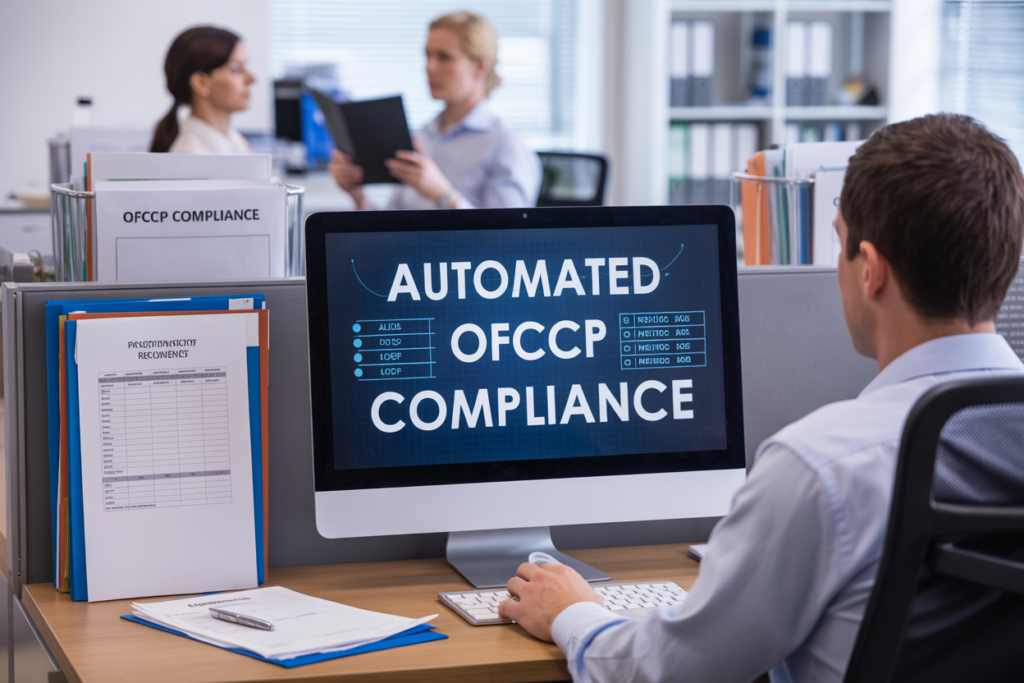
Federal contractors know that OFCCP posting compliance can make or break an audit. Missing documentation, scattered records, and manual tracking systems create unnecessary risk and eat up valuable time your team could spend on strategic initiatives.
This guide is designed for HR professionals, compliance officers, and federal contractor executives who need reliable management of OFCCP compliance requirements without the administrative headaches. We’ll show you how automated compliance tracking transforms chaotic paper trails into organized, audit-ready systems.
You’ll discover the specific audit-ready logs automation tools that federal contractor compliance automation demands, including real-time posting updates and centralized documentation management. We’ll also break down the ROI you can expect from compliance tracking when switching from manual processes to OFCCP-compliant system solutions that actually work for busy teams.
Ready to stop scrambling during audits and start building confidence in your compliance program?
Understanding OFCCP Posting Requirements That Drive Compliance Success
Federal contractor obligations under Executive Order 11246
Federal contractors and subcontractors with contracts worth $10,000 or more must comply with Executive Order 11246, which prohibits employment discrimination and requires affirmative action programs. This foundational requirement creates specific OFCCP posting compliance obligations that extend far beyond basic equal opportunity statements.
Contractors must display the “Equal Opportunity is the Law” poster in conspicuous locations where employees and job applicants can easily see it. The poster must be current, legible, and available in appropriate languages based on workforce demographics. Companies with 50 or more employees and contracts exceeding $50,000 must develop written affirmative action programs, which include detailed documentation of recruitment and posting efforts.
The order also requires contractors to invite applicants and employees to self-identify as individuals with disabilities and protected veterans through specific notices during the application process and annually for existing employees. These invitations must follow exact language requirements and be properly documented for audit purposes.
Mandatory job posting locations and visibility standards
OFCCP compliance requirements demand that job postings reach diverse candidate pools through multiple channels. Contractors must post open positions both internally and externally, ensuring reasonable visibility to all qualified applicants regardless of protected status.
Internal posting requirements include displaying opportunities on company bulletin boards, intranet systems, and employee communication channels for at least 10 days before external recruiting begins. External posting obligations vary by position level and company size, but generally require using multiple recruitment sources to reach diverse populations.
Job postings must include specific equal opportunity language and cannot contain discriminatory preferences or requirements that disproportionately exclude protected groups. The visibility standard means postings should be placed where they’re easily accessible during regular business hours, with clear formatting and appropriate lighting for reading.
Digital accessibility has become increasingly important, with postings needing to comply with web accessibility guidelines to ensure individuals with disabilities can access and apply for positions. This includes proper contrast ratios, screen reader compatibility, and alternative text for images.
Timeline requirements for posting duration and updates
Automated compliance-tracking systems help manage the complex timing requirements governing OFCCP posting compliance. Internal job postings must remain visible for a minimum period before external recruitment begins, typically 10 calendar days, though some positions may require a more extended posting period.
External postings should remain active for reasonable durations that allow diverse candidate pools to discover and apply for opportunities. The OFCCP expects contractors to maintain postings long enough to reach underrepresented groups, which often means extending beyond minimum posting periods for hard-to-fill positions.
Posting updates and modifications triggers new timeline requirements. When job descriptions change significantly or additional qualifications are added, contractors may need to restart posting periods and notify previous applicants of changes. Documentation must capture original posting dates, modification dates, and the reasons for any timeline adjustments.
Seasonal and temporary positions have different timeline considerations, with some requiring advance posting to accommodate the recruitment and selection process. Contractors must balance business needs with compliance requirements while maintaining detailed records of all posting activities and timeline decisions.
Penalties and risks of non-compliance failures
OFCCP compliance failures can result in severe financial penalties, contract debarment, and extensive corrective action requirements. Recent enforcement actions show the agency pursuing monetary settlements ranging from thousands to millions of dollars, depending on the scope and severity of violations.
Contract cancellation and debarment from future federal contracts represent the most serious consequences, potentially devastating companies that rely heavily on government work. The debarment process can take years to resolve and often requires comprehensive policy overhauls and monitoring agreements.
Back pay awards for affected applicants and employees can accumulate quickly, especially in cases involving systemic discrimination or widespread posting failures. These settlements often include retroactive salary adjustments, benefits restoration, and interest calculations that compound over time.
Compliance reviews and audits consume significant internal resources, requiring legal counsel, consultant fees, and extensive employee time to respond to OFCCP information requests. Companies without proper documentation face additional challenges in defending their practices and may be required to implement costly monitoring and reporting systems as part of resolution agreements.
Essential Audit Logs That Keep Your Organization Compliance-Ready
Job posting creation and modification timestamps
Every job posting in your OFCCP compliance system needs detailed timestamp documentation from the moment it’s created until it’s removed. These logs capture when positions were originally posted, modified, extended, or taken down, creating an unbreakable chain of custody for your audit-ready logs automation. Your system should record not only the date and time, but also the user who made the changes and the specific modifications.
The real power comes from tracking version histories. When auditors ask about a posting that ran for six months, you’ll need to show exactly when salary ranges were updated, when requirements changed, or when accessibility features were enhanced. Automated compliance tracking systems excel here by maintaining granular records that manual processes can’t match.
Posting location tracking across all required platforms
OFCCP compliance requirements mandate that federal contractors post opportunities in specific locations and maintain detailed records of where each posting appears. Your tracking system must document every platform where positions are published, including your corporate website, external job boards, and state workforce agencies.
Smart tracking goes beyond just listing platforms. Your system should verify that postings appear correctly on each site, monitor for any technical failures that might cause listings to disappear, and document the full lifecycle across all channels. When a posting gets automatically distributed to multiple platforms, your logs need to show successful publication on each one, including any platform-specific formatting or content modifications.
User access and administrative action records
Administrative oversight becomes critical when multiple team members handle job postings. Your OFCCP compliance system must track who accessed what information, when they logged in, and what actions they performed. This includes posting creations, edits, approvals, and deletions, as well as any bulk operations or system-wide changes.
User access logs also protect your organization during audits by showing proper authorization controls. When someone updates posting requirements or extends deadlines, the system should capture their identity, timestamp, and the specific changes made. This level of documentation proves that only authorized personnel made compliance-related decisions.
Document retention and retrieval capabilities
OFCCP posting management software must maintain comprehensive document retention that extends well beyond the introductory posting text. Your system needs to preserve application materials, correspondence, interview notes, and any accommodation requests tied to specific postings. The retention system should automatically organize these materials by posting ID, date ranges, and document types for easy retrieval.
Quick retrieval capabilities separate professional compliance systems from basic tools. When auditors request documentation for specific time periods or particular positions, your system should generate complete packages within minutes, not hours or days of manual searching through file cabinets or scattered digital folders.
Cross-platform synchronization verification logs
Modern automated OFCCP posting solutions often distribute job postings across multiple platforms simultaneously, making synchronization verification essential. Your logs must confirm that postings appear consistently across all channels, with the duplicate content, formatting, and compliance elements intact.
Synchronization logs should catch and document any discrepancies immediately. Suppose a posting appears on your website but fails to publish on an external job board. In that case, your system should flag the issue, attempt automatic correction, and maintain detailed records of both the failure and the resolution. This proactive monitoring ensures compliance tracking ROI by preventing gaps that could trigger audit findings.
Manual Compliance Tracking Challenges That Cost Time and Money
Human Error Risks in Posting Management
Managing OFCCP posting compliance manually opens the door to countless opportunities for mistakes. A single misplaced decimal point in a contract value can determine whether a posting requirement applies, and human oversight makes these errors inevitable. When compliance officers juggle multiple contracts, deadlines, and posting locations simultaneously, details slip through the cracks.
Consider the complexity of tracking posting dates across various job sites. An HR manager might accidentally post a notice two days late at one location while forgetting to remove an expired posting at another. These seemingly minor oversights can trigger significant compliance violations during an OFCCP audit. Manual systems also struggle with consistency—one person might interpret posting requirements differently from their colleague, leading to gaps in coverage.
The stakes get higher when dealing with contract modifications or renewals. Manual tracking often misses critical trigger events that require immediate posting updates. A contract amendment that pushes the total value above the $150,000 threshold might go unnoticed for weeks, creating an automatic compliance failure that automated OFCCP posting solutions would catch instantly.
Inconsistent Documentation Across Multiple Locations
Multi-location organizations face a documentation nightmare when relying on manual compliance tracking. Each site often develops its own approach to recording posting activities, creating a patchwork of formats, filing systems, and record-keeping standards that auditors struggle to navigate.
Regional managers might use different spreadsheet templates, varying naming conventions, or completely different storage methods. One location stores photos digitally while another relies on paper files. Some sites meticulously document every posting change, while others maintain sparse records that leave auditors questioning compliance efforts.
This inconsistency becomes particularly problematic during OFCCP compliance audits when investigators need to verify posting histories across all covered locations. Auditors expect uniform documentation standards and clear audit trails. When presented with a mishmash of record-keeping approaches, organizations appear disorganized and potentially non-compliant, even when actual posting compliance was maintained.
Time zone differences compound the problem. West Coast locations might update their records at different times than East Coast facilities, making it difficult to establish accurate timelines for posting activities. Without standardized automated compliance tracking, organizations lose the ability to present cohesive compliance narratives during audits.
Resource Drain on HR and Compliance Teams
Manual OFCCP posting management consumes enormous amounts of staff time that could be better spent on strategic initiatives. Compliance officers spend hours each week checking contract databases, calculating posting requirements, and coordinating with multiple locations to verify posting status. This repetitive administrative work prevents teams from focusing on higher-value activities such as policy development or employee relations.
The workload intensifies during busy periods when multiple contracts start simultaneously or when organizations expand into new locations. HR teams find themselves drowning in spreadsheets, email chains, and phone calls, trying to maintain compliance across all sites. Staff members often work overtime to meet basic posting requirements, driving up labor costs and reducing job satisfaction.
Training new team members in manual processes can take weeks or months. Each person must learn complex contract interpretation rules, memorize posting location requirements, and master various documentation systems. This learning curve creates periods of vulnerability when mistakes are more likely. High turnover in compliance roles—often driven by the tedious nature of manual work—means organizations constantly invest in training replacement staff.
The financial impact extends beyond direct labor costs. When manual processes fail and compliance violations occur, organizations face potential penalties, legal fees, and the cost of implementing corrective measures. These downstream expenses often dwarf the investment required for proper OFCCP compliance system automation.
Automation Solutions That Streamline OFCCP Posting Management
Centralized Posting Distribution Across Required Platforms
Modern OFCCP compliance system solutions eliminate the headache of manually posting job openings to multiple platforms. These systems automatically distribute your positions to state workforce agencies, career centers, and required federal contractor job boards with a single click. The software maintains updated lists of mandatory posting locations for each state and automatically adjusts distribution based on your contract requirements and job locations.
Smart posting management tools track which positions require specific distribution channels, ensuring your openings reach veteran-focused job boards, disability employment networks, and other specialized platforms mandated by OFCCP regulations. The system timestamps each posting and maintains detailed records of where and when each job was distributed, creating an instant paper trail for auditors.
Real-Time Compliance Monitoring and Alert Systems
Automated compliance-tracking systems continuously monitor your posting requirements and send immediate alerts when action is required. These platforms track posting expiration dates, monitor compliance deadlines, and flag potential violations before they become costly problems.
The monitoring dashboard provides real-time visibility into posting status across all locations and job categories. When a posting is about to expire or hasn’t been distributed to required channels, the system triggers alerts to designated team members. This proactive approach prevents compliance gaps that could trigger OFCCP investigations.
Advanced systems also monitor changes in federal regulations and automatically update your compliance requirements. When new posting obligations emerge, the software adjusts your distribution rules and notifies your team of the changes.
Automatic Audit Trail Generation and Storage
Audit-ready logs automation creates comprehensive documentation without manual intervention. Every action within the system generates timestamped records that meet OFCCP documentation standards. The platform captures posting dates, distribution channels, user actions, and system changes in a centralized repository.
These automated systems maintain detailed logs of posting performance, including which platforms each job was posted to, response rates, and application sources. The audit trail includes screenshots of posted positions, email confirmations from job boards, and detailed analytics on posting effectiveness.
Storage capabilities ensure all documentation remains accessible for the required retention period. The system automatically organizes records by compliance period, making it simple to retrieve specific documentation during audits or investigations.
Integration Capabilities with Existing HR Systems
OFCCP posting management software seamlessly connects with your existing HR technology stack, eliminating duplicate data entry and reducing compliance errors. These integrations pull job information directly from your applicant tracking system, ensuring accurate and consistent posting across all platforms.
Popular integrations include major ATS platforms, HRIS systems, and payroll software. The automated data flow means job details, requirements, and posting parameters transfer automatically from your primary HR system to compliance posting platforms. This eliminates transcription errors and ensures all required information appears in every posting.
The integration also works in reverse, feeding application data and compliance metrics back into your primary HR systems. This creates a unified view of your recruitment efforts while maintaining separate, detailed compliance documentation for OFCCP requirements.
Key Features Your Automated Compliance System Must Include
Multi-platform posting synchronization capabilities
Your OFCCP compliance system needs to handle job postings across multiple platforms without missing a beat. The best automated compliance tracking solutions integrate seamlessly with major job boards, company career pages, and recruiting platforms. This synchronization ensures every posting includes the required EEO language and meets federal contractor compliance automation standards.
When your system pushes a job posting to Indeed, LinkedIn, or your corporate website, it should automatically embed the necessary compliance elements. This includes proper EEO statements, disability accommodations, and information on veteran status. The system should track which platforms each posting was posted to and maintain records of when each posting went live.
Real-time synchronization prevents the common problem of manually updating dozens of job boards individually. Your OFCCP posting management software should also flag any posting failures or platforms that didn’t receive updates, allowing your team to address gaps immediately.
Comprehensive audit logging and reporting tools
Robust audit-ready logs automation forms the backbone of any compliance system worth its salt. Your platform must capture every action taken on job postings, from creation to removal. These logs should record who made changes, when they occurred, and what specific modifications were made.
The reporting tools should generate detailed compliance reports that OFCCP auditors actually want to see. This includes posting duration reports, platform distribution summaries, and compliance element verification documents. Your system should automatically flag any postings that do not meet OFCCP compliance requirements.
Advanced logging capabilities track user access, system changes, and data exports. When auditors come knocking, you’ll have complete visibility into your posting practices. The best systems maintain these logs for extended periods, ensuring historical data remains accessible years later.
Customizable compliance dashboard and notifications
Your compliance dashboard should serve as mission control for all OFCCP posting activities. Customizable widgets let you prioritize the metrics that matter most to your organization. Some teams focus on posting duration compliance, while others emphasize platform coverage or EEO statement accuracy.
Innovative notification systems alert relevant team members when action is required. If a posting approaches its minimum duration, the system should notify recruiters and compliance officers. When new OFCCP compliance requirements emerge, the dashboard should highlight affected postings that need updates.
The dashboard should provide both high-level overviews and granular details. Executives need summary metrics showing overall compliance status, while compliance specialists require detailed breakdowns of individual postings and potential issues.
Secure data storage with easy retrieval functions
Your automated OFCCP posting solutions must prioritize data security while maintaining easy access for authorized users. Encrypted storage protects sensitive posting data and applicant information from unauthorized access. The system should maintain detailed access logs showing who retrieved which data and when.
Quick retrieval functions become critical during OFCCP audits when you need specific posting records immediately. Advanced search capabilities let you filter by date ranges, job titles, posting platforms, or compliance status. The system should export data in formats auditors prefer, reducing back-and-forth requests.
Cloud-based storage with automated backups ensures your compliance data remains safe and accessible. Your team shouldn’t worry about losing critical audit documentation due to hardware failures or system crashes. Regular data integrity checks verify that stored information remains accurate and complete over time.
Implementing Automated Compliance Tracking for Maximum ROI
System Setup and Configuration Best Practices
Start your OFCCP compliance system implementation by mapping your current posting locations and requirements. Your automated compliance tracking system needs accurate baseline data to function effectively. Document all physical and digital posting locations, including employee break rooms, job boards, company intranets, and third-party recruitment platforms.
Configure your system to automatically track posting dates, removal dates, and location compliance across all sites. Set up role-based access controls so compliance officers can manage postings while HR teams maintain appropriate oversight. Most successful implementations begin with a phased rollout, starting with high-traffic locations before expanding to satellite offices.
Data integration proves critical for long-term success. Connect your OFCCP posting management software with existing HRIS systems, applicant tracking systems, and payroll platforms. This creates seamless data flow and reduces manual entry errors that often trigger audit red flags.
Training Requirements for Compliance Teams
Your compliance teams need hands-on training with the new automated OFCCP posting solutions before go-live. Focus training on system navigation, report generation, and exception handling procedures. Team members should understand how to run compliance audit logs, interpret system alerts, and respond to posting violations.
Create detailed training materials covering common scenarios like posting updates, location changes, and emergency compliance situations. Role-specific training works best: compliance officers need more profound system knowledge, while HR generalists require basic posting-update capabilities.
Schedule monthly refresher sessions during the first year. Most teams need 3-6 months to adapt to automated workflows fully. Document all training procedures so new team members can quickly get up to speed on your federal contractor compliance automation processes.
Measuring Success Through Compliance Metrics
Track specific metrics that demonstrate the ROI of your automated compliance tracking. Monitor posting accuracy rates, audit preparation time, and compliance violation frequency. Successful organizations typically see a 40-60% reduction in audit preparation time within the first year.
Set up automated compliance-tracking dashboards that show real-time posting status across all locations. Key performance indicators should include posting compliance percentage, average response time to violations, and cost savings from reduced manual processes.
Document time savings from automated workflows. Track how many hours your team previously spent on manual posting management versus current computerized processes. Most organizations save 15-20 hours per week once their OFCCP compliance system reaches full maturity.
Ongoing Maintenance and System Optimization Strategies
Regular system maintenance keeps your automated OFCCP posting solutions running smoothly. Schedule monthly system health checks, quarterly data audits, and annual configuration reviews. Update posting templates when regulations change and verify all integration points remain functional.
Monitor system performance metrics like response times, data accuracy, and user adoption rates. Address issues quickly before they impact compliance status. Set up automated backup procedures for all compliance data and maintain disaster recovery protocols.
Plan for system updates and regulatory changes. As your OFCCP compliance requirements evolve, your system configuration should adapt accordingly. Review vendor update schedules and test changes in staging environments before production deployment. Most successful organizations budget 10-15% of initial implementation costs for ongoing system optimization and maintenance activities.
OFCCP posting compliance doesn’t have to be a constant headache for your HR team. By automating your audit logs and tracking systems, you can eliminate the manual work that eats up valuable time and creates room for costly mistakes. The right automation tools will handle everything from posting requirements to audit trail documentation, giving you peace of mind that your organization stays compliant without the stress.
Intelligent automation is the game-changer your compliance strategy needs. When you invest in a system that tracks postings, maintains detailed logs, and provides real-time monitoring, you’re not just saving time – you’re protecting your organization from potential penalties and audit nightmares. Start by evaluating your current manual processes and identifying which areas would benefit most from automation. Your future self will thank you when audit season rolls around, and you’re entirely prepared, rather than scrambling to gather documentation.
Boosting applicant flow requires automation that scales across top hiring channels. Explore our LinkedIn, Craigslist, and WayUp integrations to engage candidates where they’re most active, and visit the Job Boards category for expert insights on optimizing performance. Whether you’re focused on local recruiting or large-scale hiring, Job Multiposter and Job Distribution help automate posting and extend visibility with precision.


